
low-pressure sodium lamp
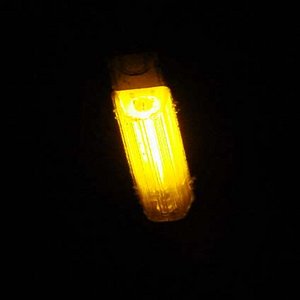
A low-pressure sodium lamp is a type of lamp that produces light from sodium gas contained in a bulb operating at a partial pressure of 0.13 to 1.3 pascal. Low-pressure sodium lamps provide energy-efficient outdoor lighting compared to high-intensity discharge lighting, but they have a very low color rendition index. Typical applications include highway and security lighting, where color isn't important.
Low-pressure sodium lamps work somewhat like fluorescent lamps. Like high-intensity discharge lighting, low-pressure sodium lamps require up to ten minutes to start and have to cool before they can restart. Therefore, they are most suitable for applications where they stay on for hours at a time. They are not suitable for use with motion detectors.
You can use the chart below to compare low-pressure sodium lamps with high-intensity discharge lamps. If you don't already, it helps to understand basic lighting principles and terms before making comparisons.
| Lighting type | Efficacy (lumens/watt) |
Lifetime (hours) |
Color rendition index (CRI) | Color temperature (K) |
Indoors/Outdoors |
| High-Intensity Discharge | |||||
| Mercury vapor | 25–60 | 16,000–24,000 | 50 (poor to fair) | 3200–7000 (warm to cold) | Outdoors |
| Metal halide | 70–115 | 5000–20,000 | 70 (fair) | 3700 (cold) | Indoors/outdoors |
| High-pressure sodium | 50–140 | 16,000–24,000 | 25 (poor) | 2100 (warm) | Outdoors |
| Low-Pressure Sodium | 60–150 | 12,000–18,000 | -44 (very poor) | Outdoors | |