
small solar electric system sizing
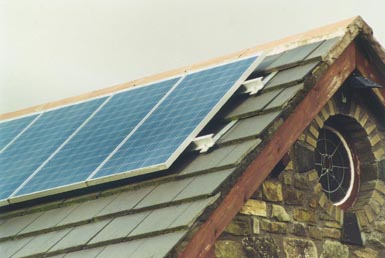
Accurately sizing the components of your solar electric system, also known as a photovoltaic (PV) system, helps ensure that your system will produce the amount of power you want it to produce. This is especially important for stand-alone systems, which are not connected to the electricity grid. However, because PV is modular, you can always add to your solar energy collector should you need more power down the road.
First, consider what portion of your current electricity needs you would like your PV system to meet. For example, suppose that you would like to meet a certain percentage of your electricity needs with your PV system. You could work with your PV provider to examine past electric bills and determine the size of the PV system needed to achieve that goal. You can contact your utility company and request the total electricity usage, measured in kilowatt-hours (kWh), for your household or business over the past 12 months or consult your electric bills if you save them.
If you reduce your electricity loads, you can generally buy a smaller, less expensive PV system.
In addition to how much electricity you'd like to generate, the size of your system also depends on these factors:
PV systems are classified by their rated power output (the peak power they produce when exposed to solar radiation of 1000 watts per square meter at a module temperature of 25°C). Systems rated between 1 and 5 kilowatts are generally sufficient to meet most of the needs of home and small business owners.
The table below provides an estimate of the roof area needed for several systems. Your system supplier/installer can make, or help you make, more precise calculations at your site before you purchase a system.
| PV module efficiency (%) | PV capacity rating (watts) | ||||||
|---|---|---|---|---|---|---|---|
| 100 | 250 | 500 | 1,000 | 2,000 | 4,000 | 10,000 | |
| 4 | 30 | 75 | 150 | 300 | 600 | 1,200 | 3,000 |
| 8 | 15 | 38 | 75 | 150 | 300 | 600 | 1,500 |
| 12 | 10 | 25 | 50 | 100 | 200 | 400 | 1,000 |
| 16 | 8 | 20 | 40 | 80 | 160 | 320 | 800 |
For example, to generate 2,000 watts from a 12%-efficient system, you need 200 square feet of roof area.