
solar hot water system
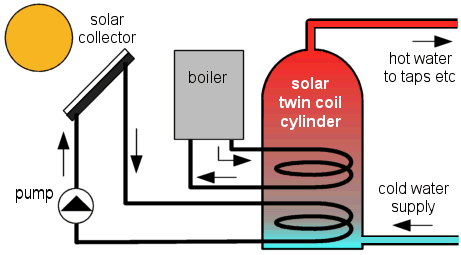
An active solar water heater system. Image credit: Norfolk Solar, UK.
Solar hot water systems use the sun's energy to heat water in liquid-based solar collectors; they are almost always used along with conventional water heaters. Solar collectors for these systems are typically 3–6 square metersin area and the systems are sold as a standard package like appliances. A typical solar hot water system can provide about 50% of the water heating energy needs in a home.
How they work
Solar water heating systems include storage tanks and solar collectors. There are two types of solar water heating systems: active, which have circulating pumps and controls, and passive, which don't.
Most solar water heaters require a well-insulated storage tank. Solar storage tanks have an additional outlet and inlet connected to and from the collector. In two-tank systems, the solar water heater preheats water before it enters the conventional water heater. In one-tank systems, the back-up heater is combined with the solar storage in one tank.
Three types of solar collectors are used for residential applications:
Glazed flat-plate collectors are insulated, weatherproofed boxes that contain a dark absorber plate under one or more glass or plastic (polymer) covers. Unglazed flat-plate collectors – typically used for solar pool heating – have a dark absorber plate, made of metal or polymer, without a cover or enclosure.
Also known as integral collector-storage (ICS) system, these feature one or more black tanks or tubes in an insulated, glazed box. Cold water first passes through the solar collector, which preheats the water. The water then continues on to the conventional backup water heater, providing a reliable source of hot water. They should be installed only in mild-freeze climates because the outdoor pipes could freeze in severe, cold weather.
These feature parallel rows of transparent glass tubes. Each tube contains a glass outer tube and metal absorber tube attached to a fin. The fin's coating absorbs solar energy but inhibits radiative heat loss. These collectors are used more frequently for commercial applications.
There are two types of active solar water heating systems:
Pumps circulate household water through the collectors and into the home. They work well in climates where it rarely freezes.
Pumps circulate a non-freezing, heat-transfer fluid through the collectors and a heat exchanger. This heats the water that then flows into the home. They are popular in climates prone to freezing temperatures.
Passive solar water heating systems are typically less expensive than active ones, but they're usually not as efficient. However, passive systems can be more reliable and may last longer. There are two basic types of passive systems:
These work best in areas where temperatures rarely fall below freezing. They also work well in households with significant daytime and evening hot-water needs.
Water flows through the system when warm water rises as cooler water sinks. The collector must be installed below the storage tank so that warm water will rise into the tank. These systems are reliable, but contractors must pay careful attention to the roof design because of the heavy storage tank. They are usually more expensive than integral collector-storage passive systems.
Solar water heating systems almost always require a backup system for cloudy days and times of increased demand. Conventional storage water heaters usually provide backup and may already be part of the solar system package. A backup system may also be part of the solar collector, such as rooftop tanks with thermosiphon systems. Since an batch (integral-collector storage) system already stores hot water in addition to collecting solar heat, it may be packaged with a demand water heater for backup.
For more information about solar water heating system components, see the following:
Selecting a solar water heater
Before you purchase and install a solar water heating system, you may want to do the following:
Installing and maintaining the system
The proper installation of solar water heaters depends on many factors. These factors include solar resource, climate, local building code requirements, and safety issues; therefore, it's best to have a qualified, solar thermal systems contractor install your system.
After installation, properly maintaining your system will keep it running smoothly. Passive systems don't require much maintenance. For active systems, discuss the maintenance requirements with your system provider, and consult the system's owner's manual. Plumbing and other conventional water heating components require the same maintenance as conventional systems. Glazing may need to be cleaned in dry climates where rainwater doesn't provide a natural rinse.
Regular maintenance on simple systems can be as infrequent as every 3–5 years, preferably by a solar contractor. Systems with electrical components usually require a replacement part after or two after 10 years. For more information about system maintenance, see the following:
When screening potential contractors for installation and/or maintenance, ask the following questions:
Choose a company that has experience installing the type of system you want and servicing the applications you select.
The more experience the better. Request a list of past customers who can provide references.
Having a valid plumber's and/or solar contractor's license is required in some states. Contact your city and county for more information. Confirm licensing with your state's contractor licensing board. The licensing board can also tell you about any complaints against state-licensed contractors.
Improving energy efficiency
After your water heater is properly installed and maintained, try some additional energy-saving strategies to help lower your water heating bills, especially if you require a back-up system. Some energy-saving devices and systems are more cost-effective to install with the water heater.
Other water heater options
Glazed flat-plate collectors are most commonly used for this application but vacuum tube collectors are also available. Other important components are the heat transfer liquid, heat exchanger, control system, and a pump to circulate the liquid. Most systems also have an auxiliary heater to ensure that hot water needs are met even when it is very cloudy.
Seasonal water heating may be more suitable for temperate climates or for applications with seasonal use, such as cottages. In this case, a system based on batch collectors can be a viable alternative but the standard collectors are still used.
Solar systems can also provide hot water for a wide variety of commercial applications. These commercial systems should be designed by an engineer or expert and have a collector area of 10–100 square meters. Among many potential applications, the commonest are for: apartment buildings, senior citizen residences, hotels, car washes, restaurants, recreation centers, and hospitals.
Commercial solar hot water systems are basically the same as those used for homes, except that the thermal storage, heat exchanger, and piping are larger. The size of these components is basically proportional to the size of the collector array. The solar collectors are often used to preheat water and will have a back-up heater to ensure that hot water needs are met, even when there is no sunlight.