
antibody
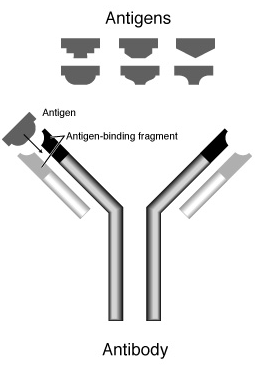
An antibody is a special kind of blood protein secreted by B-lymphocytes, which are a type of white blood cell in the immune system. Specific antibodies are synthesized in response to the presence of a particular antigen (foreign or potentially dangerous substances such as bacterial toxins, viruses, and allergens) and they circulate in the bloodstream to attack the antigen and render it harmless. Antibodies bind to the antigen causing less damage to occur and leading to a number of effects, including enhanced phagocytosis by white blood cells, activation of complement (a substance capable of damaging cell membranes), and histamine release.
Antibodies are produced faster and in greater numbers if the body has previously encountered the particular antigen. Immunity to second attacks of diseases such as measles and chickenpox, and vaccination against diseases not yet contracted are based on this principle. Antibody detection in blood samples may show agglutinins, precipitins, or complement fixation, according to the technique used and the antibody involved.

