
calcitonin
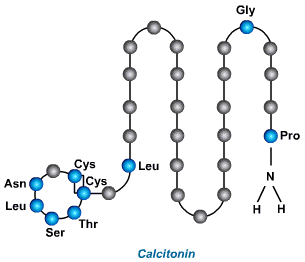
A 32-amino-acid polypeptide hormone found in humans and other vertebrates that lowers the concentration of calcium (and phosphate) in the blood. It does this by lowering the rate at which calcium is lost from the bones. Calcitonin operates in opposition to parathyroid hormone. It is produced by C cells which in humans are located in the thyroid gland.
Treatment using calcitonin
A synthetic, recombinant form of calcitonin called salcatonin (Miacalcic) is used to treat Paget's disease, in which the bones grow abnormally and become deformed, causing pain and an increased risk of fracture. Given by injection, calcitonin halts abnormal bone formation in about a week and can relieve pain within a few months.
Salcatonin is also used to treat hypercalcemia (abnormally high levels of calcium in the blood) caused by overactivity of the parathyroid glands or by cancer of the bone. Calcitonin helps relieve the nausea and vomiting that result from hypercalcemia by quickly reducing the level of calcium in the blood. Calcitonin may be prescribed in conjunction with a corticosteroid drug that also decreases the calcium level in the blood.

