
fructose
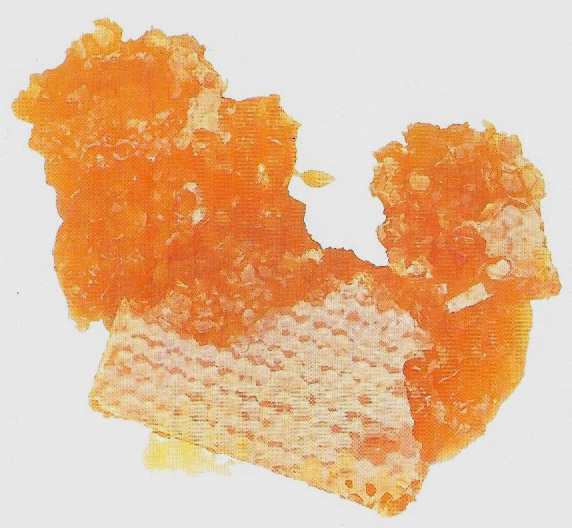
Fructose is contained in honey and some fruits. Fructose is easily converted into energy and its metabolism does not depend on insulin. Foods containing fructose can therefore be a healthier option for diabetics.
Fructose is a monosaccharide, or simple sugar,
which is combined with glucose in sucrose and raffinose; it is the most common ketose sugar. Fructose is very soluble
in water, crystallizes in large needles, and has a melting point of 102°–104°C.
Also known as levulose or fruit sugar, fructose (C6H12O6) is widely distributed in plants. It is one of the three most important blood sugars along with glucose and galactose, and is used to produced energy by a process called glycolysis, which takes place in the liver. Fructose is important in the diet of diabetics (see diabetes mellitus) since, unlike glucose, fructose metabolism is not dependent on insulin.
 |
| Fructose molecule. |
Found in foods such as honey, berries, melons, figs, and and some root vegetables (e.g., beets, sweet potatoes, and parsnips) fructose is the sweetest naturally occurring sugar.
Fructosia (also called levulosuria) is the presence of fructose in the urine.

