
larva
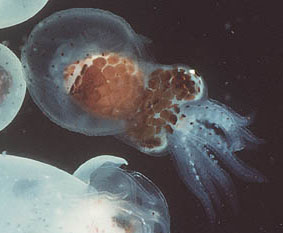
Fig 1. Octopus larvae. Photo: Jim Cosgrove.
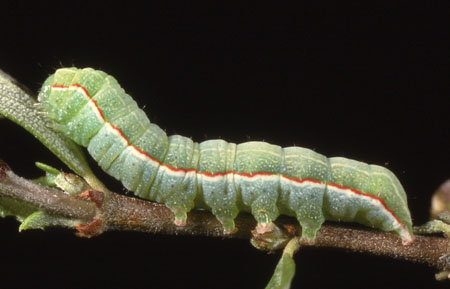
Fig 2. Caterpillar. Photo credit: Jeff Miller, Oregon State University.
A larva is the juvenile stage of most invertebrates, amphibians, and fish, which all hatch from eggs. A larva is unlike the adult in form and is usually incapable of sexual reproduction, although capable of fending for itself. It develops into the adult by undergoing a quite rapid metamorphosis.
Examples of larvae are the tadpoles of frogs, the maggots of flies, and the caterpillars of butterflies. Many marine invertebrates, including echinoderms, molluscs, and annelids, have transparent, planktonic, ciliated larvae that are distinctly different from the sexually mature adult.
The possession of a larva usually enables a species to exploit a different food source from that used by the adult. Again, it may be important in dispersing individuals to new areas, or, in many parasites, as an infective phase.
Caterpillar
A caterpillar is the larva of a moth or a butterfly, with 13 segments, 3 pairs of true legs, and up to 5 pairs of soft false legs.

