
antidiuretic hormone
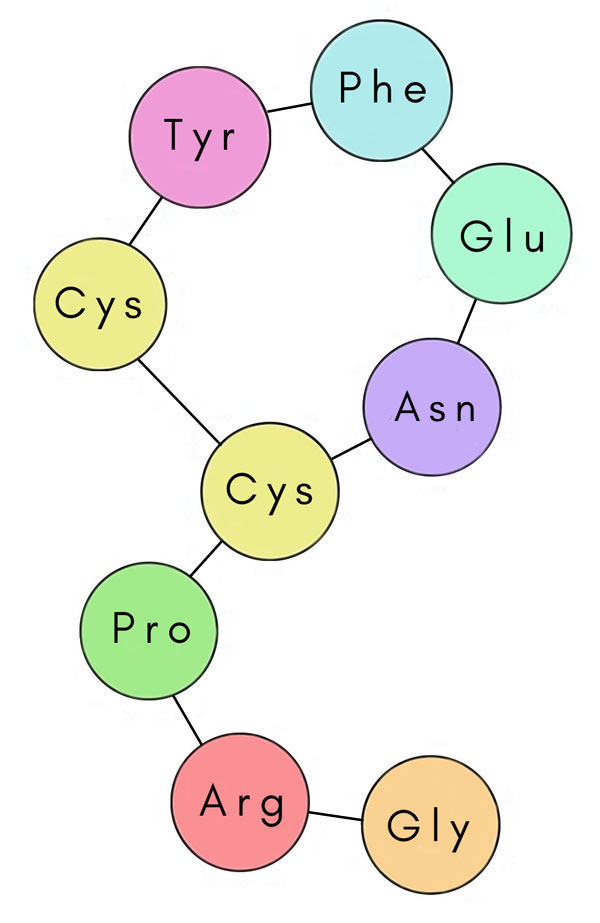
Antidiuretic hormone (ADH), also known as arginine vasopressin, is a human hormone that is mainly released when the body is low on water. Antidiuretic hormone (ADH) causes the kidneys to conserve water by concentrating the urine and reducing urine volume. It also has various functions in the brain and blood vessels.
ADH is a 9-amino acid peptide that is produced by specialized nerve cells in the hypothalamus and transported in the bloodstream to the posterior pituitary gland.
The most common disease of man and animals related to antidiuretic hormone is diabetes insipidus. This condition can arise from either of two situations:
1. Hypothalamic ("central") diabetes insipidus results from a deficiency in secretion of antidiuretic hormone from the posterior pituitary. Causes of this disease include head trauma, and infections or tumors involving the hypothalamus.
2. Nephrogenic diabetes insipidus occurs when the kidneys
are unable to respond to antidiuretic hormone. Most commonly, this stems
from some type of renal disease, but mutations in the ADH receptor gene
or in the gene encoding aquaporin-2 have also been demonstrated in affected
humans.
The major sign of either type of diabetes insipidus is excessive dilute urine production.

