
osteoarthritis
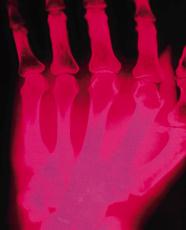
X-ray of a hand affect by osteoarthritis.
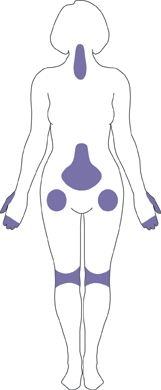
Osteoarthritis most often occurs in the hands (at the ends of fingers and thumbs), spine, knees, and hips.
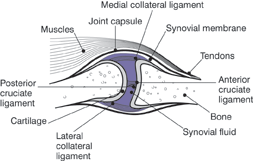
In a healthy joint, the ends of bones are encased in smooth cartilage. Together, they are protected by a joint capsule lined with a synovial membrane that produces synovial fluid. The capsule and fluid protect the cartilage, muscles, and connective tissues.
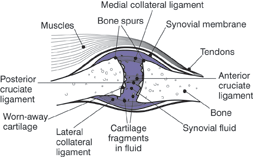
With osteoarthritis, the cartilage becomes worn away. Spurs grow out from the edge of the bone, and synovial fluid increases. Altogether, the joint feels stiff and sore.
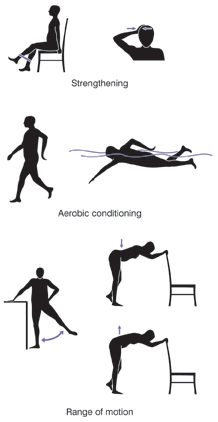
People with osteoarthritis should do different kinds of exercise for different benefits to the body. Consult your health professional before starting.
Osteoarthritis is the most common form of arthritis, and is seen especially among older people. Sometimes it is called degenerative joint disease or osteoarthrosis. It causes pain, swelling and reduced motion in your joints. It can occur in any joint, but usually it affects the hands, knees, hips, or spine.
Osteoarthritis breaks down the cartilage in the joints. Healthy cartilage allows bones to glide over one another. It also absorbs energy from the shock of physical movement. In osteoarthritis, the surface layer of cartilage breaks down and wears away. This allows bones under the cartilage to rub together, causing pain, swelling, and loss of motion of the joint. Over time, the joint may lose its normal shape. Also, small deposits of bone – called osteophytes or bone spurs – may grow on the edges of the joint. Bits of bone or cartilage can break off and float inside the joint space. This causes more pain and damage.
People with osteoarthritis usually have joint pain and some movement limitations. Unlike some other forms of arthritis, such as rheumatoid arthritis, osteoarthritis affects only joint function and does not affect skin tissue, the lungs, the eyes, or the blood vessels.
In rheumatoid arthritis, the second most common form of arthritis (along with ankylosing spondylitis, which has a similar prevalence in the US), the immune system attacks the tissues of the joints, leading to pain, inflammation, and eventually joint damage and malformation. It typically begins at a younger age than osteoarthritis, causes swelling and redness in joints, and may make people feel sick, tired, and uncommonly feverish.
Who has osteoarthritis?
Osteoarthritis is by far the most common type of arthritis, and the percentage of people who have it grows higher with age. An estimated 12.1% of the US population (nearly 21 million Americans) age 25 and older have osteoarthritis.
Although osteoarthritis is more common in older people, younger people can develop it – usually as the result of a joint injury, a joint malformation, or a genetic defect in joint cartilage. Both men and women have the disease. Before age 45, more men than women have osteoarthritis; after age 45, it is more common in women. It is also more likely to occur in people who are overweight and in those with jobs that stress particular joints.
As the population ages, the number of people with osteoarthritis will only grow. By 2030, 20 percent of Americans – about 72 million people – will have passed their 65th birthday and will be at high risk for the disease.
How does osteoarthritis affect people?
People with osteoarthritis usually experience joint pain and stiffness. The most commonly affected joints are those at the ends of the fingers (closest to the nail), thumbs, neck, lower back, knees, and hips.
Osteoarthritis affects different people differently. Although in some people it progresses quickly, in most individuals joint damage develops gradually over years. In some people, osteoarthritis is relatively mild and interferes little with day-to-day-life; in others, it causes significant pain and disability.
While osteoarthritis is a disease of the joints, its effects are not just physical. In many people with osteoarthritis, lifestyle and finances also decline.
Lifestyle effects include
Financial effects include
Fortunately, most people with osteoarthritis live active, productive lives despite these limitations. They do so by using treatment strategies such rest and exercise, pain relief medications, education and support programs, learning self-care, and having a "good attitude."
Osteoarthritis basics: the joint and its parts
A joint is the point where two or more bones are connected. With a few exceptions (in the skull and pelvis, for example), joints are designed to allow movement between the bones and to absorb shock from movements like walking or repetitive motions. These movable joints are made up of the following parts:
Cartilage: a hard but slippery coating on the end of each bone. Cartilage breaks down and wears away in osteoarthritis. Cartilage is 65 to 80 percent water. The remaining three components are
Joint capsule: a tough membrane sac that encloses all the bones and other joint parts.
Synovium: a thin membrane inside the joint capsule that secretes synovial fluid.
Synovial fluid: a fluid that lubricates the joint and keeps the cartilage smooth and healthy.
Ligaments, tendons, and muscles are tissues that surround the bones and joints, and allow the joints to bend and move. Ligaments are tough, cord-like tissues that connect one bone to another. Tendons are tough, fibrous cords that connect muscles to bones. Muscles are bundles of specialized cells that, when stimulated by nerves, either relax or contract to produce movement.
How do you know if you have osteoarthritis?
Usually, osteoarthritis comes on slowly. Early in the disease, your joints may ache after physical work or exercise. Later on, joint pain may become more persistent. You may also experience joint stiffness, particularly when you first wake up in the morning or have been in one position for a long time.
|
If you feel hot or your skin turns red, you probably do not have osteoarthritis. Check with your doctor about other causes, such as rheumatoid arthritis. |
Although osteoarthritis can occur in any joint, most often it affects the hands, knees, hips, and spine (either at the neck or lower back). Different characteristics of the disease can depend on the specific joint(s) affected. For general warning signs of osteoarthritis, see the box on the next page. For information on the joints most often affected by osteoarthritis, please see the following descriptions below:
Hands: Osteoarthritis of the hands seems to have some hereditary characteristics; that is, it runs in families. If your mother or grandmother has or had osteoarthritis in their hands, you're at greater-than-average risk of having it too. Women are more likely than men to have hand involvement and, for most, it develops after menopause.
When osteoarthritis involves the hands, small, bony knobs may appear on the end joints (those closest to the nails) of the fingers. They are called Heberden's nodes. Similar knobs, called Bouchard's nodes, can appear on the middle joints of the fingers. Fingers can become enlarged and gnarled, and they may ache or be stiff and numb. The base of the thumb joint also is commonly affected by osteoarthritis.
Knees: The knees are among the joints most commonly affected by osteoarthritis. Symptoms of knee osteoarthritis include stiffness, swelling, and pain, which make it hard to walk, climb, and get in and out of chairs and bathtubs. Osteoarthritis in the knees can lead to disability.
Hips: The hips are also common sites of osteoarthritis. As with knee osteoarthritis, symptoms of hip osteoarthritis include pain and stiffness of the joint itself. But sometimes pain is felt in the groin, inner thigh, buttocks, or even the knees. Osteoarthritis of the hip may limit moving and bending, making daily activities such as dressing and putting on shoes a challenge.
Spine: Osteoarthritis of the spine may show up as stiffness and pain in the neck or lower back. In some cases, arthritis-related changes in the spine can cause pressure on the nerves where they exit the spinal column, resulting in weakness or numbness of the arms and legs.
Diagnosis
No single test can diagnose osteoarthritis. Most doctors use a combination of the following methods to diagnose the disease and rule out other conditions.
Clinical history
The doctor begins by asking the patient to describe the symptoms, and when and how the condition started, as well as how the symptoms have changed over time. The doctor will also ask about any other medical problems the patient and close family members have and about any medications the patient is taking. Accurate answers to these questions can help the doctor make a diagnosis and understand the impact the disease has on your life.
Physical examination
The doctor will check the patient's reflexes and general health, including muscle strength. The doctor will also examine bothersome joints and observe the patient's ability to walk, bend, and carry out activities of daily living.
X-rays
Doctors take X-rays to see how much joint damage has been done. X-rays of the affected joint can show such things as cartilage loss, bone damage, and bone spurs. But there often is a big difference between the severity of osteoarthritis as shown by the X-ray and the degree of pain and disability felt by the patient. Also, X-rays may not show early osteoarthritis damage before much cartilage loss has taken place.
Magnetic resonance imaging
Also known as an MRI, magnetic resonance imaging provides high-resolution computerized images of internal body tissues. This procedure uses a strong magnet that passes a force through the body to create these images. Doctors often use MRI tests if there is pain; if X-ray findings are minimal; and if the findings suggest damage to other joint tissues such as a ligament, or the pad of connective tissue in the knee known as the meniscus.
Other tests
The doctor may order blood tests to rule out other causes of symptoms. He or she may also order a joint aspiration, which involves drawing fluid from the joint through a needle and examining the fluid under a microscope.
It usually is not difficult to tell if a patient has osteoarthritis. It is more difficult to tell if the disease is causing the patient's symptoms. Osteoarthritis is so common – especially in older people – that symptoms seemingly caused by the disease actually may be due to other medical conditions. The doctor will try to find out what is causing the symptoms by ruling out other disorders and identifying conditions that may make the symptoms worse. The severity of symptoms in osteoarthritis can be influenced greatly by the patient's attitude, anxiety, depression, and daily activity level.
Treatment
|
|
Most successful treatment programs involve a combination of treatments tailored to the patient's needs, lifestyle, and health. Most programs include ways to manage pain and improve function. These can involve exercise, weight control, rest and relief from stress on joints, pain relief techniques, medications, surgery, and complementary and alternative therapies. These approaches are described below.
Exercise
Research shows that exercise is one of the best treatments for osteoarthritis. Exercise can improve mood and outlook, decrease pain, increase flexibility, strengthen the heart and improve blood flow, maintain weight, and promote general physical fitness. Exercise is also inexpensive and, if done correctly, has few negative side effects. The amount and form of exercise prescribed will depend on which joints are involved, how stable the joints are, and whether a joint replacement has already been done. Walking, swimming, and water aerobics are a few popular types of exercise for people with osteoarthritis. Your doctor and/or physical therapist can recommend specific types of exercise depending on your particular situation.
You can use exercises to keep strong and limber, improve cardiovascular fitness, extend your joints' range of motion, and reduce your weight. The following types of exercise are part of a well-rounded arthritis treatment plan.
Ask your doctor or physical therapist what exercises are best for you. Ask for guidelines on exercising when a joint is sore or if swelling is present. Also, check if you should (1) use pain-relieving drugs, such as analgesics or anti-inflammatories (also called NSAIDs or non-steroidal anti-inflammatory drugs) to make exercising easier, or (2) use ice afterward.
Weight control
Osteoarthritis patients who are overweight or obese should try to lose weight. Weight loss can reduce stress on weight-bearing joints, limit further injury, and increase mobility. A dietitian can help you develop healthy eating habits. A healthy diet and regular exercise help reduce weight.
Rest and relief from stress on joints
Treatment plans include regularly scheduled rest. Patients must learn to recognize the body's signals, and know when to stop or slow down. This will prevent the pain caused by overexertion. Although pain can make it difficult to sleep, getting proper sleep is important for managing arthritis pain. If you have trouble sleeping, you may find that relaxation techniques, stress reduction, and biofeedback can help, as can timing medications to provide maximum pain relief through the night.
Some people use canes to take pressure off painful joints. They may use splints or braces to provide extra support for joints and/or keep them in proper position during sleep or activity. Splints should be used only for limited periods of time because joints and muscles need to be exercised to prevent stiffness and weakness. If you need a splint, an occupational therapist or a doctor can help you get a properly fitted one.
If joint pain interferes with your ability to sleep or rest, consult your doctor.
Nondrug pain relief
People with osteoarthritis may find many nondrug ways to relieve pain. Below are some examples.
Heat and cold: Heat or cold (or a combination of the two) can be useful for joint pain. Heat can be applied in a number of different ways – with warm towels, hot packs, or a warm bath or shower – to increase blood flow and ease pain and stiffness. In some cases, cold packs (bags of ice or frozen vegetables wrapped in a towel), which reduce inflammation, can relieve pain or numb the sore area. (Check with a doctor or physical therapist to find out if heat or cold is the best treatment.)
Transcutaneous electrical nerve stimulation (TENS): TENS is a technique that uses a small electronic device to direct mild electric pulses to nerve endings that lie beneath the skin in the painful area. TENS may relieve some arthritis pain. It seems to work by blocking pain messages to the brain and by modifying pain perception.
Massage: In this pain-relief approach, a massage therapist will lightly stroke and/or knead the painful muscles. This may increase blood flow and bring warmth to a stressed area. However, arthritis-stressed joints are sensitive, so the therapist must be familiar with the problems of the disease.
Medications to control pain
|
|
Doctors prescribe medicines to eliminate or reduce pain and to improve functioning. Doctors consider a number of factors when choosing medicines for their patients with osteoarthritis. These include the intensity of pain, potential side effects of the medication, your medical history (other health problems you have or are at risk for), and other medications you are taking.
Because some medications can interact with one another and certain health conditions put you at increased risk of drug side effects, it's important to discuss your medication, and health history with your doctor before you start taking any new medication, and to see your doctor regularly while you are taking medication. By working together, you and your doctor can find the medication that best relieves your pain with the least risk of side effects.
The following types of medicines are commonly used in treating osteoarthritis:
Acetaminophen: A medication commonly used to relieve pain, acetaminophen (for example, Tylenol1) is available without a prescription. It is often the first medication doctors recommend for osteoarthritis patients because of its safety relative to some other drugs and its effectiveness against pain.
NSAIDs (nonsteroidal anti-inflammatory drugs): A large class of medications useful against both pain and inflammation, NSAIDs are staples in arthritis treatment. A number of NSAIDs – ibuprofen (Advil, Motrin), naproxen sodium (Aleve) and ketoprofen (Orudis, Oruvail) – are available over the counter. More than a dozen others, including a subclass of NSAIDs called COX-2 inhibitors, are available only with a prescription.
All NSAIDs work similarly: by blocking substances called prostaglandins that contribute to inflammation and pain. However, each NSAID is a different chemical, and each has a slightly different effect on the body.
The US Food and Drug Administration has warned that long-term use of NSAIDs, or use by people who have heart disease, may increase the chance of a heart attack or stroke. So it' important to work with your doctor to choose the one that's safest and most effective for you. Side effects can also include stomach upset and stomach ulcers, heartburn, diarrhea, and fluid retention. For unknown reasons, some people seem to respond better to one NSAID than another.
Other medications: Doctors may prescribe several other medicines for osteoarthritis. They include the following:
Topical pain-relieving creams, rubs, and sprays: These products, which are applied directly to the skin over painful joints, contain ingredients that work in one of three different ways: by stimulating the nerve endings to distract the brain's attention from the joint pain; by depleting the amount of a neurotransmitter called substance P that sends pain messages to the brain; or by blocking chemicals called prostaglandins that cause pain and inflammation. Examples of topical medications are Zostrix, Icy Hot, Therapeutic Mineral Ice, Aspercreme, and Ben Gay.Because most medicines used to treat osteoarthritis have side effects, it's important to learn as much as possible about the medications you take, even the ones available without a prescription. Certain health problems and lifestyle habits can increase the risk of side effects from NSAIDs. These include a history of peptic ulcers or digestive tract bleeding, use of oral corticosteroids or anticoagulants (blood thinners), smoking, and alcohol use.
Tramadol (Ultram): A prescription pain reliever that is sometimes prescribed when over-the-counter medications don't provide sufficient relief. It carries risks that don't exist with acetaminophen and NSAIDs, including the potential for addiction.
Mild narcotic painkillers: Medications containing narcotic analgesics such as codeine or hydrocodone are often effective against osteoarthritis pain. But because of concerns about the potential for physical and psychological dependence on these drugs, doctors generally reserve them for short-term use.
Corticosteroids: Corticosteroids are powerful antiinflammatory hormones made naturally in the body or man-made for use as medicine. They may be injected into the affected joints to temporarily relieve pain. This is a short-term measure, generally not recommended for more than two to four treatments per year. Oral corticosteroids are not routinely used to treat osteoarthritis. They are occasionally used for inflammatory flares.
Hyaluronic acid substitutes: Sometimes called viscosupplements, these products are designed to replace a normal component of the joint involved in joint lubrication and nutrition. Depending on the particular product your doctor prescribes, it will be given in a series of three to five injections. These products are approved only for osteoarthritis of the knee.
There are measures you can take to help reduce the risk of side effects associated with NSAIDs. These include taking medications with food and avoiding stomach irritants such as alcohol, tobacco, and caffeine. In some cases, it may help to take another medication along with an NSAID to coat the stomach or block stomach acids. While these measures may help, they are not always completely effective.
Surgery
For many people, surgery helps relieve the pain and disability of osteoarthritis. Surgery may be performed to achieve one or more of the following:
Surgeons may replace affected joints with artificial joints called prostheses. These joints can be made from metal alloys, high-density plastic, and ceramic material. Some prostheses are joined to bone surfaces with special cements. Others have porous surfaces and rely on the growth of bone into that surface (a process called biologic fixation) to hold them in place. Artificial joints can last 10 to 15 years or longer. Surgeons choose the design and components of prostheses according to their patient's weight, sex, age, activity level, and other medical conditions.
The decision to use surgery depends on several factors, including the patient's age, occupation, level of disability, pain intensity, and the degree to which arthritis interferes with his or her lifestyle. After surgery and rehabilitation, the patient usually feels less pain and swelling, and can move more easily.
Complementary and alternative therapies
When conventional medical treatment doesn't provide sufficient pain relief, people are more likely to try complementary and alternative therapies. The following are some alternative therapies used to treat osteoarthritis.
Acupuncture: Some people have found pain relief using acupuncture, a practice in which fine needles are inserted by a licensed acupuncture therapist at specific points on the skin. Preliminary research shows that acupuncture may be a useful component in an osteoarthritis treatment plan for some patients. Scientists think the needles stimulate the release of natural, pain-relieving chemicals produced by the nervous system.
Folk remedies: These include wearing copper bracelets, drinking herbal teas, taking mud baths, and rubbing WD-40 on joints to "lubricate" them. While these practices may or may not be harmful, no scientific research to date shows that they are helpful in treating osteoarthritis. They can also be expensive, and using them may cause people to delay or even abandon useful medical treatment.
Nutritional supplements: Nutrients such as glucosamine and chondroitin sulfate have been reported to improve the symptoms of people with osteoarthritis, as have certain vitamins. Additional studies have been carried out to further evaluate these claims. (See Current Research)
Who treats osteoarthritis?
Treating arthritis often requires a multidisciplinary or team approach. Many types of health professionals care for people with arthritis. You may choose a few or more of the following professionals to be part of your health care team:
Primary care physicians: doctors who treat patients before they are referred to other specialists in the health care system.
Rheumatologists: doctors who specialize in treating arthritis and related conditions that affect joints, muscles, and bones.
Orthopaedists: surgeons who specialize in the treatment of, and surgery for, bone and joint diseases.
Physical therapists: health professionals who work with patients to improve joint function.
Occupational therapists: health professionals who teach ways to protect joints, minimize pain, perform activities of daily living, and conserve energy.
Dietitians: health professionals who teach ways to use a good diet to improve health and maintain a healthy weight.
Nurse educators: nurses who specialize in helping patients understand their overall condition and implement their treatment plans.
Physiatrists (rehabilitation specialists): medical doctors who help patients make the most of their physical potential.
Licensed acupuncture therapists: health professionals who reduce pain and improve physical functioning by inserting fine needles into the skin at specific points on the body.
Psychologists: health professionals who seek to help patients cope with difficulties in the home and workplace resulting from their medical conditions.
Social workers: professionals who assist patients with social challenges caused by disability, unemployment, financial hardships, home health care, and other needs resulting from their medical conditions.
Importance of self-care and good-health attitude
While health care professionals can prescribe or recommend treatments to help you manage your arthritis, the real key to living well with the disease is you. Research shows that people with osteoarthritis who take part in their own care report less pain and make fewer doctor visits. They also enjoy a better quality of life.
Living well and enjoying good health despite arthritis requires an everyday lifelong commitment. Following are six habits worth committing to:
1. Get educated: To live well with osteoarthritis, it pays to learn as much as you can about the disease. Three kinds of programs help people understand osteoarthritis, learn selfcare, and improve their good-health attitude. They are:
These programs teach people about osteoarthritis, its treatments, exercise and relaxation, patient and health care provider communication, and problem solving. Research has shown that people who participate in these programs are more likely to have positive outcomes.
2. Stay active: Regular physical activity plays a key role in self-care and wellness. Three types of exercise are important in osteoarthritis management. The first type, strengthening exercises, help keep or increase muscle strength. Strong muscles help support and protect joints affected by arthritis. The second type, aerobic conditioning exercises, improve cardiovascular fitness, help control weight, and improve overall function. The third type, range-of-motion exercises, help reduce stiffness and maintain or increase proper joint movement and flexibility.
Most people with osteoarthritis exercise best when their pain is least severe. Start with an adequate warm-up and begin exercising slowly. Resting frequently ensures a good workout and reduces the risk of injury.
Before beginning any type of exercise program, consult your doctor or physical therapist to learn which exercises are appropriate for you and how to do them correctly, because doing the wrong exercise or exercising improperly can cause problems. A health care professional can also advise you on how to warm up safely and when to avoid exercising a joint affected by arthritis.
3. Eat well: Though no specific diet will necessarily make your arthritis better, eating right and controlling your weight can help by minimizing stress on the weight-bearing joints such as the knees and the joints of the feet. It can also minimize your risk of developing other health problems.
4. Get plenty of sleep: Getting a good night's sleep on a regular basis can minimize pain and help you cope better with the effects of your disease. If arthritis pain makes it difficult to sleep at night, speak with your doctor and/or physical therapist about the best mattress or comfortable sleeping positions or the possibility of timing medications to provide more pain relief at night. You may also improve your sleep by getting enough exercise early in the day; avoiding caffeine or alcoholic beverages at night; keeping your bedroom dark, quiet, and cool; and taking a warm bath to relax and soothe sore muscles at bedtime.
5. Have fun: While having osteoarthritis certainly isn't fun, it doesn't mean you have to stop having fun. If arthritis makes it difficult to participate in favorite activities, ask an occupational therapist about new ways to do them. Activities such as sports, hobbies, and volunteer work can distract your mind from your own pain and make you a happier, more well-rounded person.
6. Keep a positive attitude: Perhaps the best thing you can do for your health is to keep a positive attitude. People must decide to make the most of things when faced with the challenges of osteoarthritis. This attitude – a good health mindset – doesn't just happen. It takes work, every day. And with the right attitude, you will achieve it.
|
|
Research
The leading role in osteoarthritis research is played by the National Institute of Arthritis and Musculoskeletal and Skin Diseases (NIAMS), a part of the Department of Health and Human Services' National Institutes of Health (NIH). NIAMS funds many researchers across the United States to study osteoarthritis. Scientists at NIAMS Multidisciplinary Clinical Research Centers conduct basic and clinical research aimed at understanding the causes, treatment options, and prevention of arthritis and musculoskeletal diseases.
In 2004, NIAMS and other institutes and offices of the NIH began recruiting participants for the Osteoarthritis Initiative (OAI). The OAI is a collaboration that pools the funds and expertise of the NIH and industry to hasten the discovery of osteoarthritis biomarkers: physical signs or biological substances that indicate changes in bone or cartilage. Researchers are collecting images and specimens from approximately 5,000 people at high risk of having osteoarthritis as well as those at high risk of progression to severe osteoarthritis during the course of the study. Scientists are following participants for 5 years, collecting biological specimens (blood, urine, and DNA), images (X-rays and magnetic resonance imaging scans), and clinical data annually.
Other key areas of research supported by NIAMS and other institutes within NIH include the following.
Animal models of osteoarthritis
Animal models help researchers learn many things about osteoarthritis, such as what happens to cartilage, how treatment strategies might work, and what might prevent the disease. Animal models also help scientists study osteoarthritis in very early stages before it causes detectable joint damage. In a study that concluded in 2004, a group of researchers led by David Kingsley, of Stanford University, and supported by NIAMS, used mice to study the role of genes in the body's production of cartilage.
Diagnostic tools
Scientists are searching for ways to detect osteoarthritis at earlier stages so they can treat it sooner. Abnormalities in the blood, joint fluid, or urine of people with osteoarthritis may provide clues. Other scientists use new technologies to analyze the differences between the cartilage from different joints. For example, many people have osteoarthritis in the knees or hips, but few have it in the ankles. Can ankle cartilage be different? Does it age differently? Answering these questions will help us understand the disease better. Many studies now involve the development of a rapid magnetic resonance imaging (MRI) procedure that doctors use to quickly and noninvasively evaluate joint cartilage. The procedure could potentially be used to diagnose the disease. More importantly, it may be an effective method to study disease progression.
Genetics studies
Osteoarthritis in all its various forms appears to have a strong genetic connection. Gene mutations may be a factor in predisposing individuals to develop osteoarthritis. For example, scientists have identified a mutation (a gene defect) affecting collagen, an important part of cartilage, in patients with an inherited kind of osteoarthritis that starts at an early age. The mutation weakens collagen protein, which may break or tear more easily under stress. Scientists are looking for other gene mutations in osteoarthritis. Researchers have also found that the daughters of women who have knee osteoarthritis have a significant increase in cartilage breakdown, thus making them more susceptible to disease. In the future, a test to determine who carries the genetic defect (or defects) could help people reduce their risk for osteoarthritis by making lifestyle adjustments.
Tissue engineering
This technology involves removing cells from a healthy part of the body and placing them in an area of diseased or damaged tissue to improve certain body functions. Currently, it is used to treat small traumatic injuries or defects in cartilage, and, if successful, could eventually help treat osteoarthritis. Researchers at NIAMS are exploring three types of tissue engineering. The two most common methods being studied today include cartilage cell replacement and stem cell transplantation. The third method is gene therapy.
Cartilage cell replacement: In this procedure, researchers remove cartilage cells from the patient's own joint and then clone or grow new cells using tissue culture and other laboratory techniques. They then inject the newly grown cells into the patient's joint. Patients with cartilage cell replacement have fewer symptoms of osteoarthritis. Actual cartilage repair is limited, however.
In one area of research, scientists are testing fibroblastic cells (precursors to cells that make up components of connective tissue) for their ability to differentiate into cartilage cells in a lab dish. The researchers will then see if the resulting cartilage cells can form functional joint cartilage.
Stem cell transplantation: Stem cells are primitive cells that can transform into other kinds of cells, such as muscle or bone cells. They usually are taken from bone marrow. In the future, researchers hope to insert stem cells into cartilage, where the cells will make new cartilage. If successful, this process could be used to repair early cartilage damage and avoid the need for surgical joint replacements later in life.
Gene therapy: Scientists are working to genetically engineer cells that would inhibit certain enzymes that may help break down cartilage and cause joint damage. In gene therapy, cells are removed from the body, genetically changed, and then injected back into the affected joint. They reside in the joint and secrete substances that inhibit the damaging enzymes.
Patient education
Effective treatment for osteoarthritis takes more than medicine or surgery. Getting help from a variety of health care professionals often can improve patient treatment and self-care. (See "Who Treats Osteoarthritis?") Research shows that adding patient education and social support is a low-cost, effective way to decrease pain and reduce the amount of medicine used. One NIAMS-funded project involves developing and testing an interactive Web site by which health professionals and patients could communicate concerning appointments and treatment instructions, thus giving patients a greater role in and control of their care.
Exercise and weight reduction
Exercise plays a key part in a comprehensive treatment plan. Researchers are studying exercise in greater detail and finding out just how to use it in treating or preventing osteoarthritis. For example, several scientists have studied knee osteoarthritis and exercise. Their results included the following:
Research has shown that losing extra weight can help people who already have osteoarthritis. Moreover, overweight or obese people who do not have osteoarthritis may reduce their risk of developing the disease by losing weight. A NIAMS-funded study is investigating the use of regular aerobic exercise in people with osteoarthritis of the knee to determine if standard guidelines for cardiovascular fitness may be useful for the treatment of early osteoarthritis as well.
Treatment
Researchers are studying the effectiveness of a variety of different types of treatment. These include:
Drugs to prevent joint damage: No treatment actually prevents osteoarthritis or reverses or blocks the disease process once it begins. Present treatments just relieve the symptoms.
Researchers are looking for drugs that would prevent, slow down, or reverse joint damage. Drugs under study include:
More studies are needed for both drugs.
Estrogen: In studies of older women, scientists found a lower risk of osteoarthritis in those who had used oral estrogens for hormone replacement therapy. The researchers suspect that having low levels of estrogen could increase the risk of developing osteoarthritis.
However, the 15-year, NIH-funded Women's Health Initiative found that taking estrogen plus progestin increased the risk of heart attack, stroke, blood clots, and breast cancer, while taking estrogen alone increased the risk of stroke and blood clots. The Food and Drug Administration recommends that hormone therapy be used at the lowest doses for the shortest duration needed to achieve treatment goals. Hormone therapy should always be used under a doctor's care.
Several other research projects are underway. The goal of one is to determine if estrogen protects cartilage. Other projects are examining the effects on joint cartilage of a selective estrogen receptor molecule (SERM) called raloxifene, which is often used in place of estrogen to treat and prevent osteoporosis.
Complementary and alternative therapies:
Hope for the future
Research is opening up new avenues of treatment for people with osteoarthritis. A balanced, comprehensive approach is still the key to staying active and healthy with the disease. People with osteoarthritis should combine exercise, relaxation, education, social support, and medications in their treatment strategies. Meanwhile, as scientists unravel the complexities of the disease, new treatments and prevention methods should become apparent. Such developments are expected to improve the quality of life for people with osteoarthritis and their families.
Key words
Acupuncture – the use of fine needles inserted at
specific points on the skin. Primarily used for pain relief, acupuncture
may be a helpful component of an osteoarthritis treatment plan for some
people.
analgesics – medications designed to
relieve pain. Pure analgesics do not have an effect on inflammation.
biomarkers – physical signs or biological substances
that indicate changes in bone or cartilage. Doctors believe they may one
day be able to use biomarkers for diagnosing osteoarthritis before it causes
noticeable joint damage and for monitoring the progression of the disease
and its responsiveness to treatment.
bone spurs – small growths of bone that can occur on the edges of a joint affected
by osteoarthritis. These growths are also known as osteophytes.
Bouchard's nodes – small, bony knobs associated with osteoarthritis
of the hand that can occur on the middle joints of the fingers.
cartilage – a hard but slippery coating on the end of each
bone. The breakdown of joint cartilage is the primary feature of osteoarthritis.
chondrocytes – components of cartilage. Chondrocytes
are cells that produce cartilage, are found throughout cartilage, and help
it stay healthy as it grows. Sometimes, however, they release certain enzymes
that destroy collagen and other proteins.
chondroitin
sulfate – a naturally existing substance in joint cartilage that
is believed to draw fluid into the cartilage. Chondroitin is often taken
in supplement form along with glucosamine as a treatment for osteoarthritis.
See the "glucosamine and chondroitin sulfate" section under Complementary
and Alternative Therapies for more information.
collagen – a family of fibrous proteins that are components of cartilage. Collagens
are the building blocks of skin, tendon, bone, and other connective tissues.
corticosteroids – powerful anti-inflammatory
hormones made naturally in the body or man made for use as medicine. Corticosteroids
may be injected into the affected joints to temporarily reduce inflammation
and relieve pain.
COX-2 inhibitors – a relatively
new class of nonsteroidal anti-inflammatory drugs (NSAIDs) that are formulated
to relieve pain and inflammation. For information about the risk posed by
NSAIDs, see "NSAIDs" in the "How Is Osteoarthritis Treated?" section.
estrogen – the major sex hormone in women. Estrogen
is known to play a role in regulation of bone growth. Research suggests
that estrogen may also have a protective effect on cartilage.
glucosamine – a substance that occurs naturally in the
body, providing the building blocks to make and repair cartilage. See the
"glucosamine and chondroitin sulfate" section under Complementary and Alternative
Therapies for more information.
Heberden's nodes – small, bony knobs associated with osteoarthritis of the hand that can
occur on the joints of the fingers closest to the nail.
hyaluronic
acid – a substance that gives healthy joint fluid its viscous (slippery)
property and that may be reduced in people with osteoarthritis. For some
people with osteoarthritis of the knee, replacing hyaluronic acid with injections
of agents referred to as viscosupplements is useful for increasing lubrication,
reducing pain, and improving function.
joint capsule – a tough membrane sac that holds the bones and other joint parts together.
ligaments – tough bands of connective tissue
that attach bones to each other, providing stability.
magnetic
resonance imaging (MRI) – provides highresolution computerized
images of internal body tissues. This procedure uses a strong magnet that
passes a force through the body to create these images.
muscles – bundles of specialized cells that contract and relax to produce movement
when stimulated by nerves.
nonsteroidal anti-inflammatory
drugs (NSAIDs) – a class of medications available over the counter
or with a prescription that ease pain and inflammation. Commonly used NSAIDs
include ibuprofen (Advil, Motrin), naproxen sodium (Aleve), and ketoprofen
(Orudis, Oruvail). For information about the risk posed by NSAIDs, see "NSAIDs"
in the "How Is Osteoarthritis Treated?" section.
osteoarthritis – the most common form of arthritis. It is characterized by the breakdown
of joint cartilage, leading to pain, stiffness, and disability.
osteophytes – small growths of bone that can appear on
the edges of a joint affected by osteoarthritis. These growths are also
known as bone spurs.
prolotherapy – an unregulated,
unproven therapy for chronic musculoskeletal pain. Prolotherapy uses an
irritant solution, which is injected into painful ligaments and adjacent
joint spaces to promote inflammation and subsequent healing.
proteoglycans – components of cartilage. Made up of proteins and sugars, strands of proteoglycans
interweave with collagens and form a mesh-like tissue. This allows cartilage
to flex and absorb physical shock.
rheumatoid arthritis – a form of arthritis in which the immune system attacks the tissues of
the joints, leading to pain, inflammation, and eventually joint damage and
malformation. It typically begins at a younger age than osteoarthritis does,
causes swelling and redness in joints, and may make people feel sick, tired,
and uncommonly feverish. Rheumatoid arthritis may also affect skin tissue,
the lungs, the eyes, or the blood vessels.
stem cells – primitive cells, usually taken from the bone marrow, that can transform
into other kinds of cells, such as muscle or bone cells. In the future,
researchers hope to be able to insert stem cells into cartilage and stimulate
them to replace cartilage damaged by arthritis or injury.
synovium – a thin membrane inside the joint capsule that secretes synovial fluid.
synovial fluid – a fluid secreted by the synovium
that lubricates the joint and keeps the cartilage smooth and healthy.
tendons – tough, fibrous cords that connect muscles
to bones.
transcutaneous electrical nerve stimulation (TENS) – a technique that uses a small electronic device to direct mild
electric pulses to nerve endings that lie beneath the skin in a painful
area. TENS may relieve some arthritis pain. It seems to work by blocking
pain messages to the brain and by modifying pain perception.
X-ray – a procedure in which low-level radiation is passed through the body to
produce a picture called a radiograph. X-rays of joints affected by osteoarthritis
can show such things as cartilage loss, bone damage, and bone spurs.

